Description
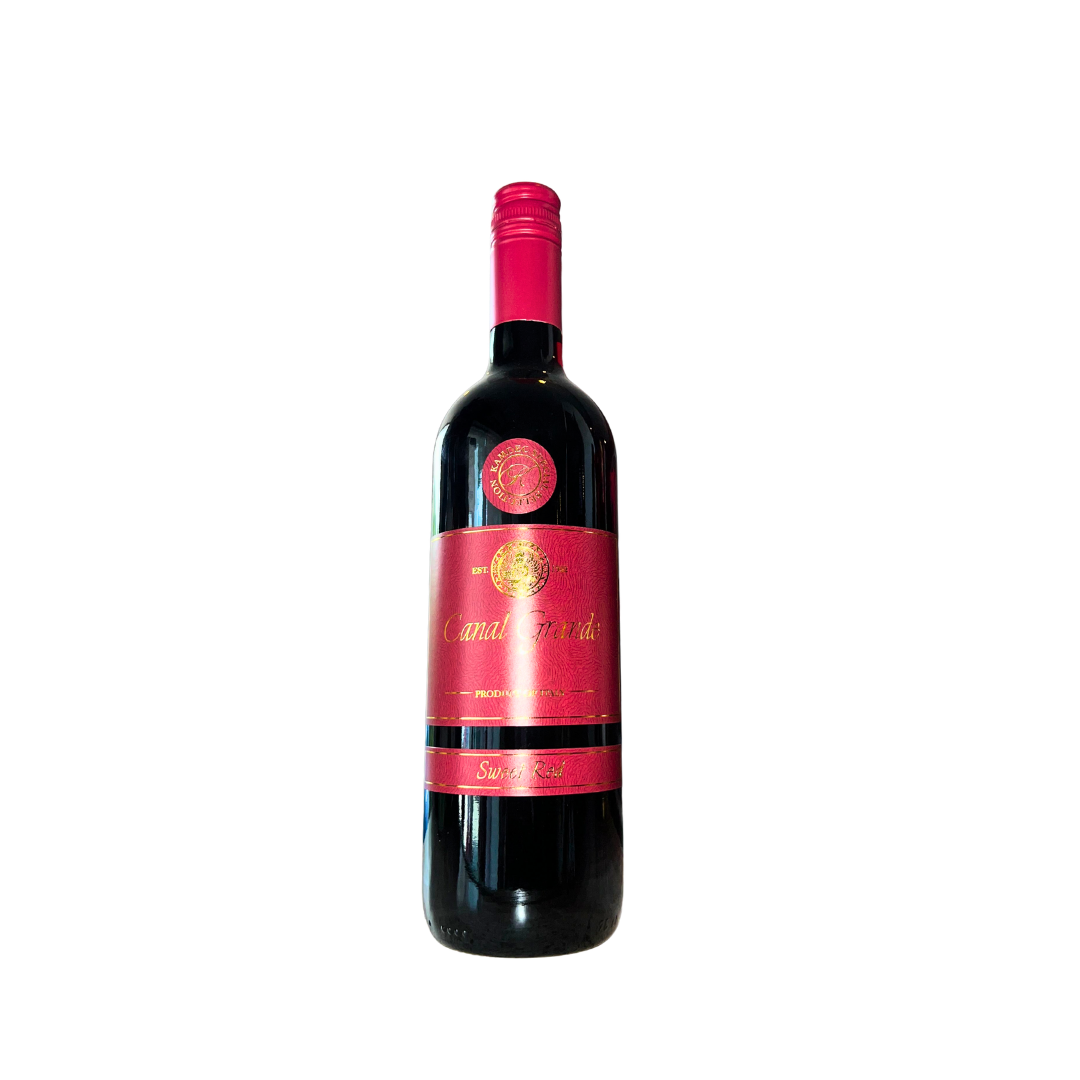
Canal Grande Cabernet Sauvignon is a bold, full-bodied red wine crafted from one of the world’s most celebrated grape varieties. It pours a deep ruby-red in the glass and delivers a complex bouquet of ripe blackcurrant, dark cherry, plum, cedar, tobacco, and a whisper of vanilla from careful oak ageing. The palate is structured with firm yet polished tannins, vibrant acidity, and rich layers of dark fruit that linger into a long, rewarding finish. Best served at 16–18°C alongside grilled ribeye steak, lamb chops, roast beef, or aged hard cheeses. A versatile red wine that suits both relaxed dinners and special occasions.
Key Features:
- Grape variety: Cabernet Sauvignon
- Style: Full-bodied, dry red wine
- Tasting notes: Blackcurrant, dark cherry, plum, cedar, vanilla
- Food pairing: Grilled meats, lamb, aged cheeses, hearty pasta
- Serving temperature: 16–18°C
Frequently Asked Questions (FAQ)
Q1: What does Canal Grande Cabernet Sauvignon taste like?
Canal Grande Cabernet Sauvignon is a full-bodied dry red wine with rich flavours of ripe blackcurrant, dark cherry, and plum, complemented by hints of cedar, tobacco, and a subtle vanilla oakiness from ageing. The tannins are firm yet smooth, with a long, satisfying finish.
Q2: What food pairs well with Canal Grande Cabernet Sauvignon?
This wine pairs excellently with grilled or roasted red meats such as ribeye steak, lamb chops, and roast beef. It also complements aged hard cheeses, hearty pasta dishes, and dark chocolate desserts.
Q3: How should I serve Canal Grande Cabernet Sauvignon?
Serve at 16–18°C (room temperature). For the best experience, open the bottle 30–60 minutes before serving or decant for at least 20 minutes to allow the aromas to fully develop.
Q4: Is Canal Grande Cabernet Sauvignon dry or sweet?
Canal Grande Cabernet Sauvignon is a dry red wine with no residual sweetness. Its fruit-forward profile may give an impression of richness, but it is fully dry in style.
Q5: Can I age Canal Grande Cabernet Sauvignon?
Yes. Thanks to its firm tannin structure and good acidity, this wine can benefit from short-term cellaring of 2–4 years, which allows the flavours to integrate and soften further.
 Skip to content




 Connecting you to WhatsApp... Hold on, we are getting the Bottles and Glasses team ready for you.
Reviews
There are no reviews yet.